Logistics Automation Software: Your Complete Guide to Supply Chain Success

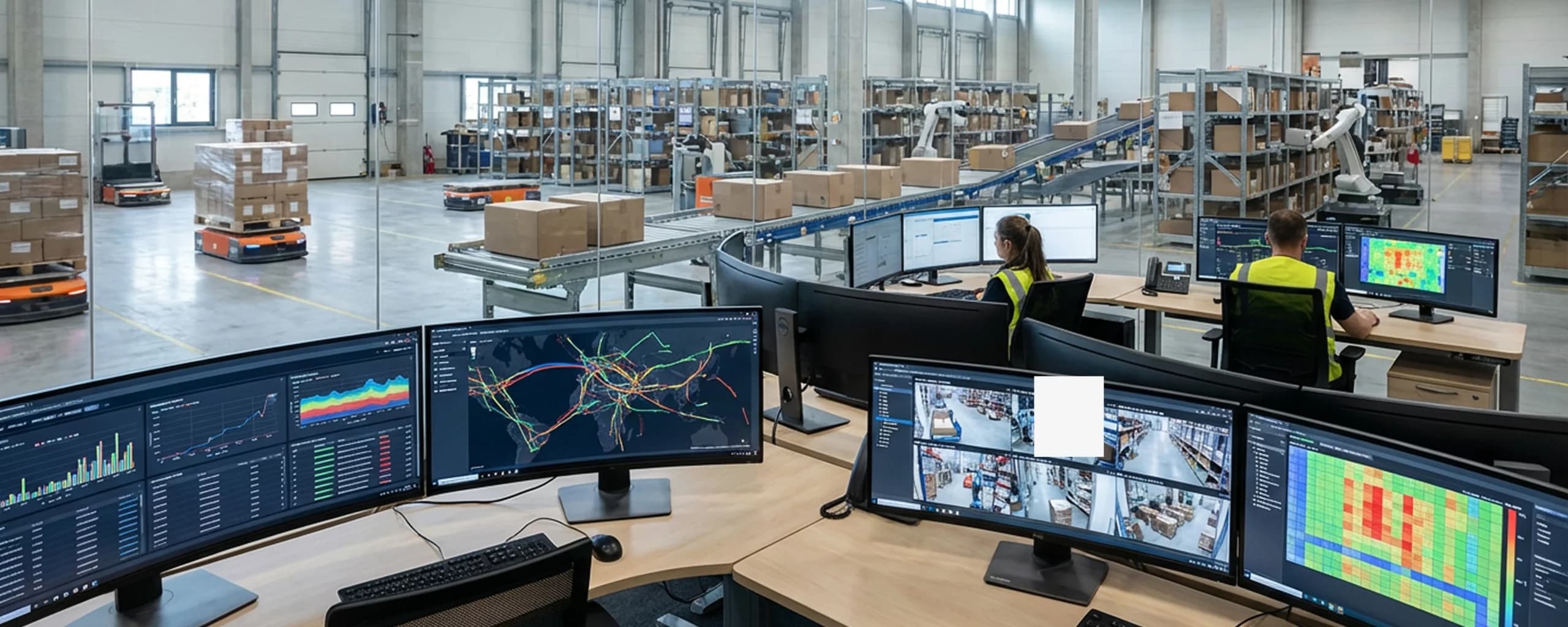
Modern businesses face unprecedented pressure to deliver faster, cheaper, and more reliable logistics operations. The global logistics automation market size is projected to grow from $88.09 billion in 2025 to $212.81 billion by 2032, exhibiting a CAGR of 13.4%, highlighting the massive shift toward automated solutions. Logistics automation software has become essential for companies seeking competitive advantage in today’s demanding market.
This comprehensive guide explores how logistics automation software transforms supply chains, delivers measurable ROI, and helps businesses scale efficiently.
What is Logistics Automation Software?
Logistics automation software integrates advanced technologies like AI, machine learning, and robotics to streamline supply chain operations. These systems handle everything from order processing and inventory management to route optimization and delivery tracking, minimizing human intervention while maximizing efficiency.
Core components include warehouse management systems (WMS), transportation management systems (TMS), inventory tracking tools, and automated order processing platforms.
A survey conducted in 2024 by Worldwide Chain Stores observed that 36% of logistics professionals actively implement artificial intelligence into their operations, reducing the cost and turnaround time and enhancing process efficiency.
Key Benefits of Logistics Automation Software
Dramatic Cost Reduction
By optimizing routes, streamlining workflows, and automating tasks, trucking companies that employ a quality TMS can reduce annual freight costs by an estimated 5% to 15%. These savings stem from multiple sources:
- Labor Cost Reduction: Reduce labor costs by 3% annually, a 36% improvement
- Fuel Savings: Optimized routes reduce fuel consumption by up to 15%
- Inventory Optimization: Reduced holding costs through better demand forecasting
- Error Elimination: Fewer costly shipping mistakes and returns
Enhanced Operational Efficiency
Automated systems deliver impressive performance improvements:
- Accuracy Gains: Achieve 99% inventory accuracy, a 76% improvement
- Speed Improvements: Consistently ship within one day of order placement, a 40% improvement
- Processing Efficiency: Labor Savings: Automation cuts manual tasks, reducing labor hours by 30%
Real-Time Visibility and Control
Modern logistics automation software provides complete supply chain transparency. Real-time tracking, automated alerts, and predictive analytics enable proactive decision-making. This visibility helps identify bottlenecks before they impact operations and improves customer satisfaction through accurate delivery estimates.
Types of Logistics Automation Software
Warehouse Management Systems (WMS)
WMS platforms optimize storage operations through automated inventory tracking, pick path optimization, and integration with robotic systems. Automated guided vehicles (AGVs) streamline material handling processes. AGVs transport goods within warehouses without human intervention.
Transportation Management Systems (TMS)
TMS solutions focus on route optimization, carrier selection, and freight management. Machine learning algorithms forecast demand accurately. They analyze historical data to predict future trends, enabling better transportation planning.
Inventory Management Systems
Automated inventory systems provide real-time stock updates, demand forecasting, and automatic reordering. These tools prevent stockouts while minimizing excess inventory carrying costs.
Order Processing Automation
Automated order management systems handle everything from order capture to fulfillment tracking. They integrate with e-commerce platforms, accounting systems, and shipping carriers for seamless operations.
ROI and Implementation Considerations
Rapid Return on Investment
According to a study by Logistics Professor Jim Hendrickson at Ohio State University, TMS solutions boast one of the lowest break-even points within the trucking industry, with most companies experiencing a return on investment within just 6 to 12 months.
ROI drivers include:
- Reduced operational costs through automation
- Improved customer satisfaction and retention
- Increased throughput capacity
- Better resource utilization
- Enhanced competitive positioning
Implementation Best Practices
Successful logistics automation software deployment requires careful planning:
- Assessment Phase: Evaluate current processes, identify bottlenecks, and define automation goals. Document existing workflows and pain points.
- Solution Selection: Choose scalable platforms that integrate with existing systems. Consider cloud-based solutions for faster deployment and lower upfront costs.
- Phased Rollout: Implement automation gradually, starting with high-impact areas. This approach minimizes disruption and allows teams to adapt progressively.
- Training Investment: Prepare staff for new technologies through comprehensive training programs. Address change management proactively to ensure adoption success.
Industry Applications and Use Cases
E-commerce and Retail
Online retailers leverage logistics automation software to handle massive order volumes during peak seasons. Automated sorting, pick-path optimization, and real-time inventory updates ensure accurate, fast fulfillment.
Manufacturing and Distribution
Manufacturers use automation to coordinate complex supply chains, manage raw material flows, and optimize finished goods distribution. Integration between production planning and logistics systems ensures smooth operations.
Healthcare and Pharmaceuticals
Healthcare logistics requires precise temperature control, regulatory compliance, and traceability. Automated systems ensure medication safety while maintaining audit trails for regulatory requirements.
Overcoming Implementation Challenges
Integration Complexity
Legacy system integration represents a common challenge. Choose solutions with robust APIs and pre-built connectors to minimize integration complexity.
Change Management
Employees may resist automation due to fears of job displacement, leading to delays in successful implementation. Address concerns through transparent communication about how automation enhances rather than replaces human roles.
Initial Investment
While upfront costs can be significant, focus on long-term value creation. Automated logistics systems cut costs across labor, speed, and accuracy, with most software implementations paying for themselves within 6-18 months.
Future Trends in Logistics Automation
AI and Machine Learning Integration
Advanced algorithms will provide more sophisticated demand forecasting, dynamic route optimization, and predictive maintenance capabilities.
Robotics and Autonomous Systems
Innovations such as autonomous mobile robots (AMRs) and automated guided vehicles (AGVs) enhance operational efficiency by automating repetitive tasks like picking, packing, and sorting.
IoT and Real-Time Analytics
Connected devices will provide even greater visibility into supply chain operations, enabling more responsive and intelligent automation.
How Isometrik AI Powers Your Logistics Transformation
Isometrik AI‘s logistics automation solutions combine cutting-edge AI algorithms with proven implementation methodologies. Our platform delivers:
- Rapid Deployment: Pre-configured solutions that deploy in weeks, not months
- Scalable Architecture: Cloud-native systems that grow with your business
- Integration Excellence: Seamless connectivity with existing ERP, WMS, and TMS systems
- Predictive Analytics: AI-powered insights that optimize operations proactively
Our logistics automation software helps businesses achieve measurable ROI through intelligent automation, real-time visibility, and data-driven decision making.
Ready to Transform Your Logistics Operations?
Logistics automation software represents more than just technology—it’s a strategic advantage that enables sustainable growth and competitive differentiation. Companies that embrace automation today position themselves for long-term success in an increasingly demanding market.
The evidence is clear: businesses implementing logistics automation software achieve significant cost reductions, operational improvements, and enhanced customer satisfaction. With ROI timelines measured in months rather than years, the question isn’t whether to automate, but how quickly you can begin the transformation.
Transform your supply chain with Isometrik AI‘s proven logistics automation solutions. Contact our experts today to discover how we can help you reduce costs, improve efficiency, and scale your operations for sustainable growth.